
Why Overwatering Cannabis Is More Dangerous Than You Think by CTU / Jeff Zorn
Many new cannabis growers assume more water means faster growth.
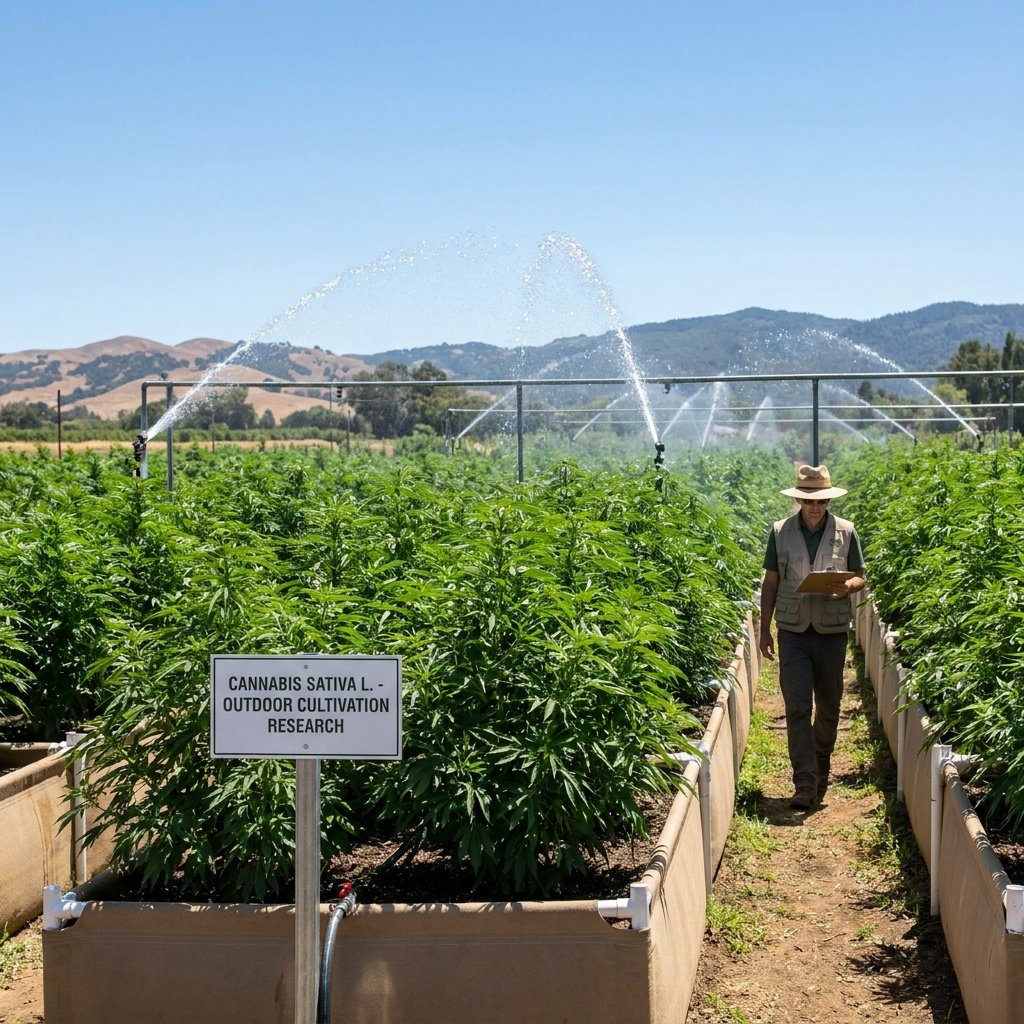
Outdoor cannabis plants need consistent watering, but overwatering can quickly damage the root zone. Good drainage, proper timing, and close observation help plants stay healthy through summer heat.
It makes sense on the surface. Plants need water, summer heat dries containers quickly, and nobody wants to watch a plant wilt. But overwatering is one of the most common ways growers damage cannabis plants, especially in containers.
The problem is not just “too much water.” The real problem is not enough oxygen at the roots.
Cannabis roots need a balance of moisture and air. When soil stays constantly soaked, the small air pockets in the growing medium fill with water. Roots struggle to breathe, beneficial microbial activity slows down, and the plant can no longer take up nutrients efficiently.
That is when growers start seeing problems.
Overwatered cannabis plants may show:
• Drooping Leaves
• Slow Growth
• Yellowing
• Weak Stems
• Poor Root Development
• Nutrient Uptake Issues
• Increased Risk of Root Disease
One of the tricky parts is that overwatering can sometimes look like underwatering. Leaves may droop in both cases. The difference is usually in the soil. If the plant is drooping and the soil is still wet, watering again will usually make the problem worse.
Experienced growers often follow a simple rhythm: water deeply, then allow the container to partially dry before watering again.
That drying period matters. It pulls fresh oxygen back into the root zone and encourages the roots to search through the medium. A strong root system supports stronger vegetative growth, better flower development, and a more resilient plant overall.
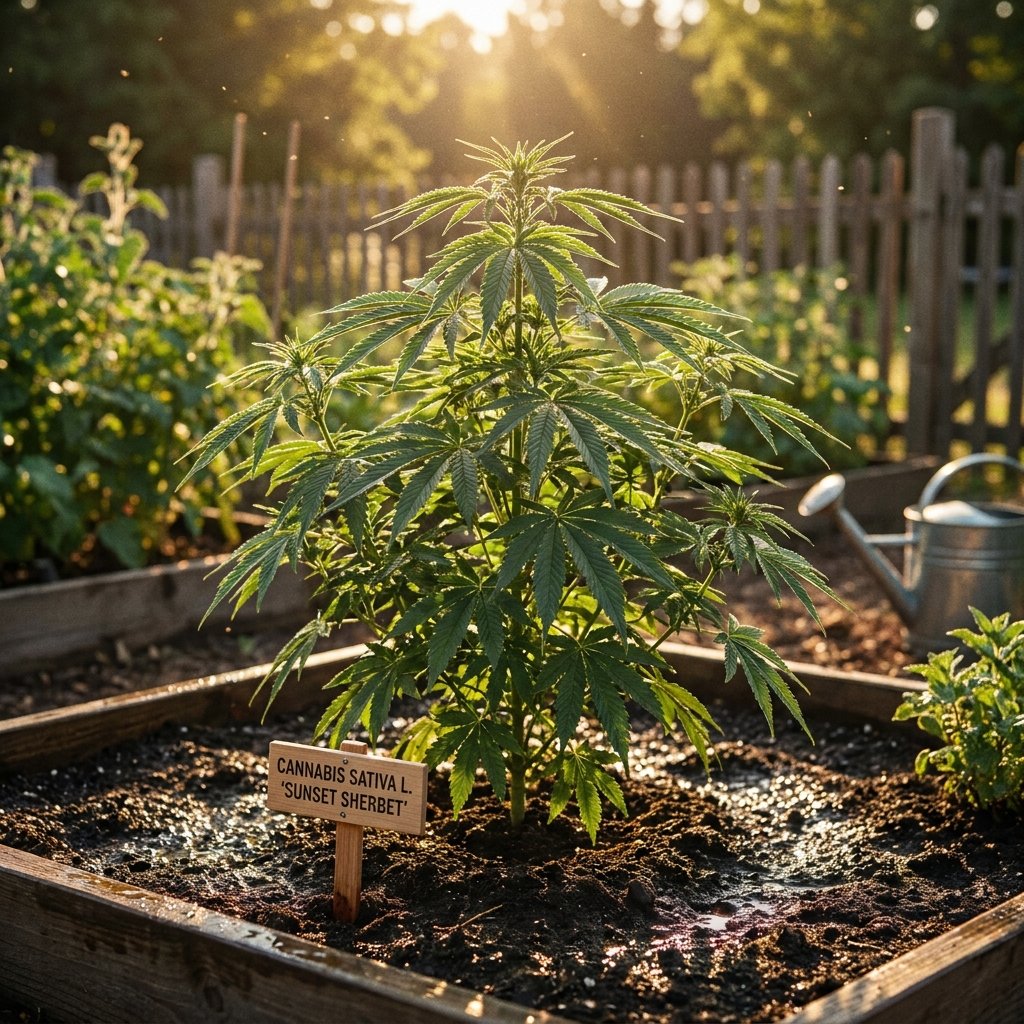
Saturated soil can deprive cannabis roots of oxygen and slow plant growth. Water deeply, then allow the soil to partially dry before watering again.
Outdoor summer growing can make this more complicated. Hot weather, wind, fabric pots, container size, plant size, and soil mix all affect how quickly water is used. A small plant in a large container may not need water nearly as often as a large flowering plant in a smaller pot during a heat wave.
Drainage is critical. Cannabis does not like sitting in stagnant, soggy soil. Containers should drain freely, and the soil mix should hold enough moisture to support the plant while still allowing air movement through the root zone.
A few practical watering tips For Cannabis Plants:
• Check the soil before watering
• Lift containers to learn the wet/dry weight
• Water deeply instead of constantly giving small sips
• Make sure pots have strong drainage
• Avoid letting containers sit in runoff
• Adjust watering during heat waves, not just by habit
• Watch the plant and the soil, not the calendar
In hot outdoor conditions, growers may need to water more often, but the same principle still applies: the root zone should not stay waterlogged all the time.
Healthy cannabis roots need water, oxygen, and room to grow. When that balance is right, the plant can handle heat, feed more efficiently, and develop with far fewer problems.
This tip comes from Cannabis Training University’s free educational grow resources.
Free Grow Guide
Learn about:
• watering schedules
• soil drainage
• outdoor cultivation
• heat management
• common grow mistakes
👉 https://cannabistraininguniversity.com/free-cannabis-books/grow-weed-guide/
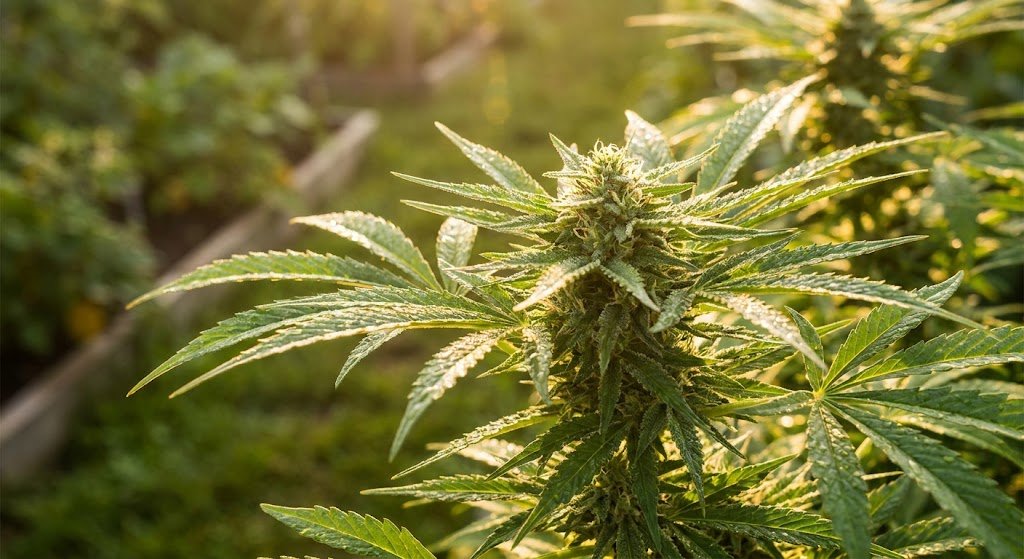
Healthy cannabis growth depends on balance. Plants need enough water to handle heat, but the roots also need oxygen and a well-draining growing medium.