
Those Buds Look Ready. They Might Not Be by CTU / Jeff Zorn
Late summer is when outdoor growers need patience more than almost anything else.
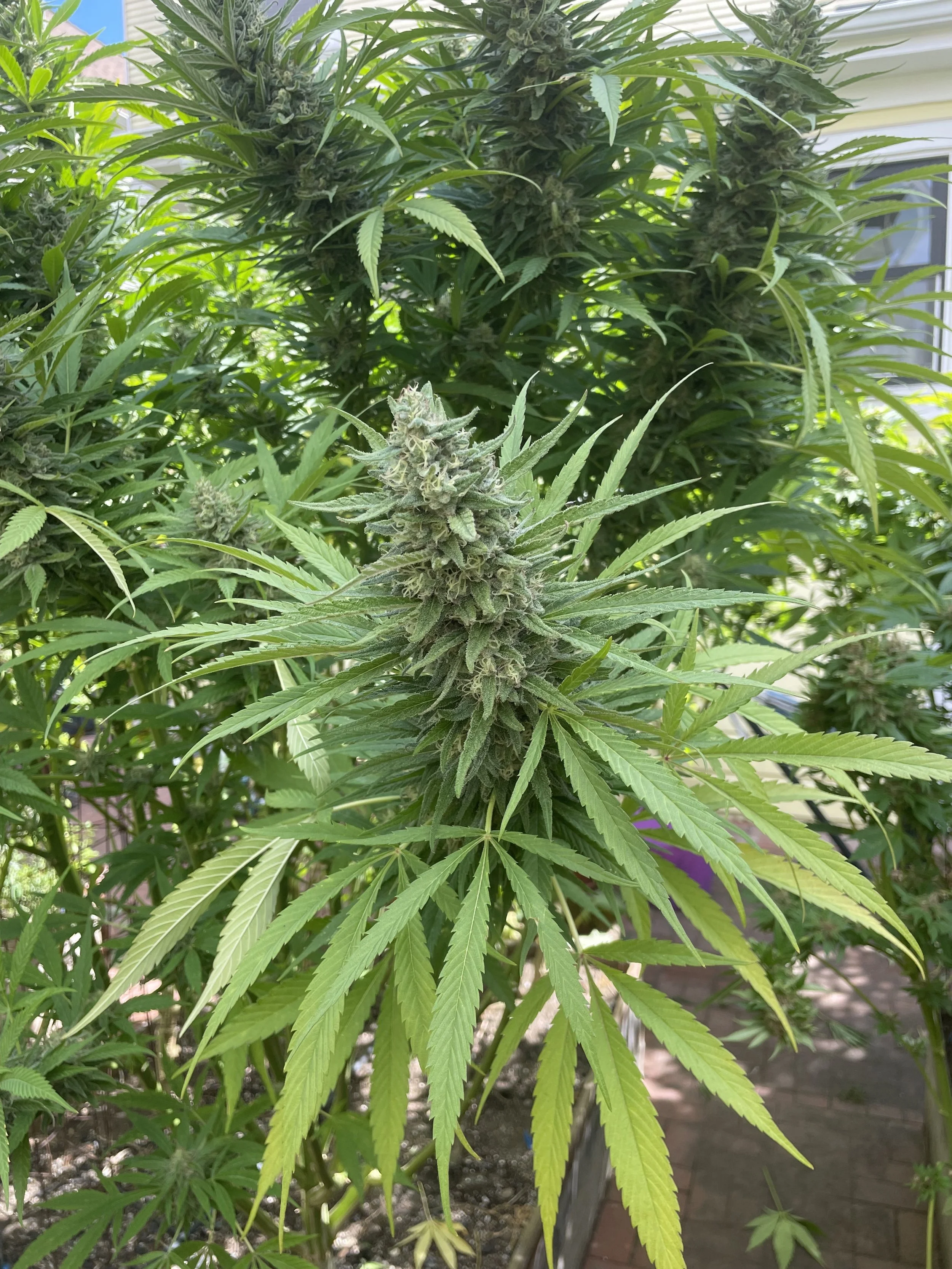
Ed Rosenthal’s “Super Bud” growing outdoors, bred by Purple Caper Seeds. A good reminder that big, impressive flowers can still have more maturing to do. Photo by Christian Petke.
It's the end of August, and for outdoor cannabis growers across much of the Northern Hemisphere, the garden they've been watching all summer is finally starting to look like what they've been waiting for. Flowers are swelling, pistils are changing, trichomes are becoming more noticeable, and the smell can be incredible.
That's also when one of the most dangerous thoughts enters a grower's head: “I think it's ready.”
Maybe. But don't harvest with your eyes alone.
A beautiful bud isn't necessarily a mature bud
One of the easiest mistakes for newer growers is assuming that because a flower looks impressive, it must be finished. It isn't necessarily.
Flower size alone isn't a reliable harvest indicator, and neither is smell. Even pistil color only tells you part of the story. Cannabis continues changing as the flowers mature, which is why experienced growers learn to look more closely at the plant before deciding it's time to harvest.
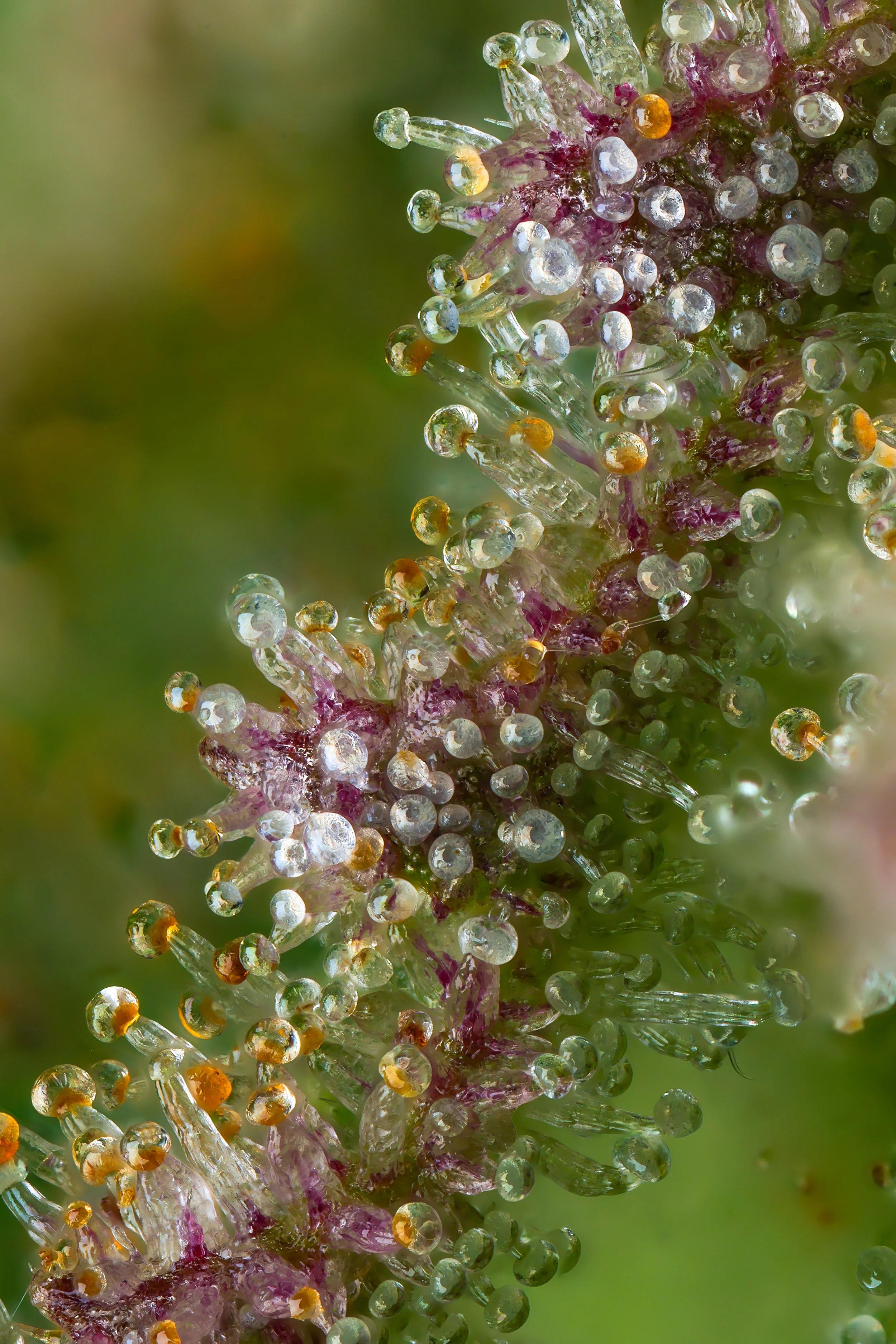
Clear, milky and amber trichomes visible on a maturing cannabis flower. Trichome color is one of several useful indicators growers can use when judging harvest readiness. Photo by Ginja.Club.
Look closer. Much closer.
This is where trichomes become particularly useful. Those tiny resin glands covering cannabis flowers can be examined with a loupe or other magnification, and their appearance changes as the plant matures.
You'll commonly hear trichomes described as moving from clear to cloudy or milky and eventually amber. That's useful information, but don't turn those colors into a magic formula. Trichomes don't all mature at the same time, different cultivars behave differently, and what you see can also depend on where on the plant you're looking.
The important lesson is simpler: don't make the harvest decision from one signal.
Look at the entire plant. Consider the development of the flowers and examine the trichomes. Think about the cultivar and how long it has actually been flowering. Pay attention to the weather and watch for pests, disease or other plant-health problems that might change your plans.
Then make the decision.
The calendar isn't your harvest date either
Another common trap is treating a breeder's estimated flowering time like an appointment. If something says “8 weeks,” that doesn't mean every plant grown from those genetics will be ready at precisely eight weeks.
Outdoor plants aren't growing in a laboratory. Genetics, temperature, day length and other environmental conditions can all influence flowering and development. Research on Cannabis has found significant differences in flowering response among varieties and under different environmental conditions.
The plant doesn't know what the package said.
Late-season growers have another variable: weather
Outdoor cultivation also adds something indoor growers don't have to contend with in quite the same way: Mother Nature gets a vote.
As summer turns toward fall, growers have to balance maturity against environmental risk. Heavy rain, prolonged humidity and storms can change the calculation, particularly as dense flowers become more vulnerable to disease. Cornell's hemp research notes that high humidity encourages disease development and that rainfall can spread pathogens and keep plant tissue wet, while Botrytis gray mold is specifically favored by high humidity and poor airflow.
That's another reason there isn't a single harvest rule that works everywhere.
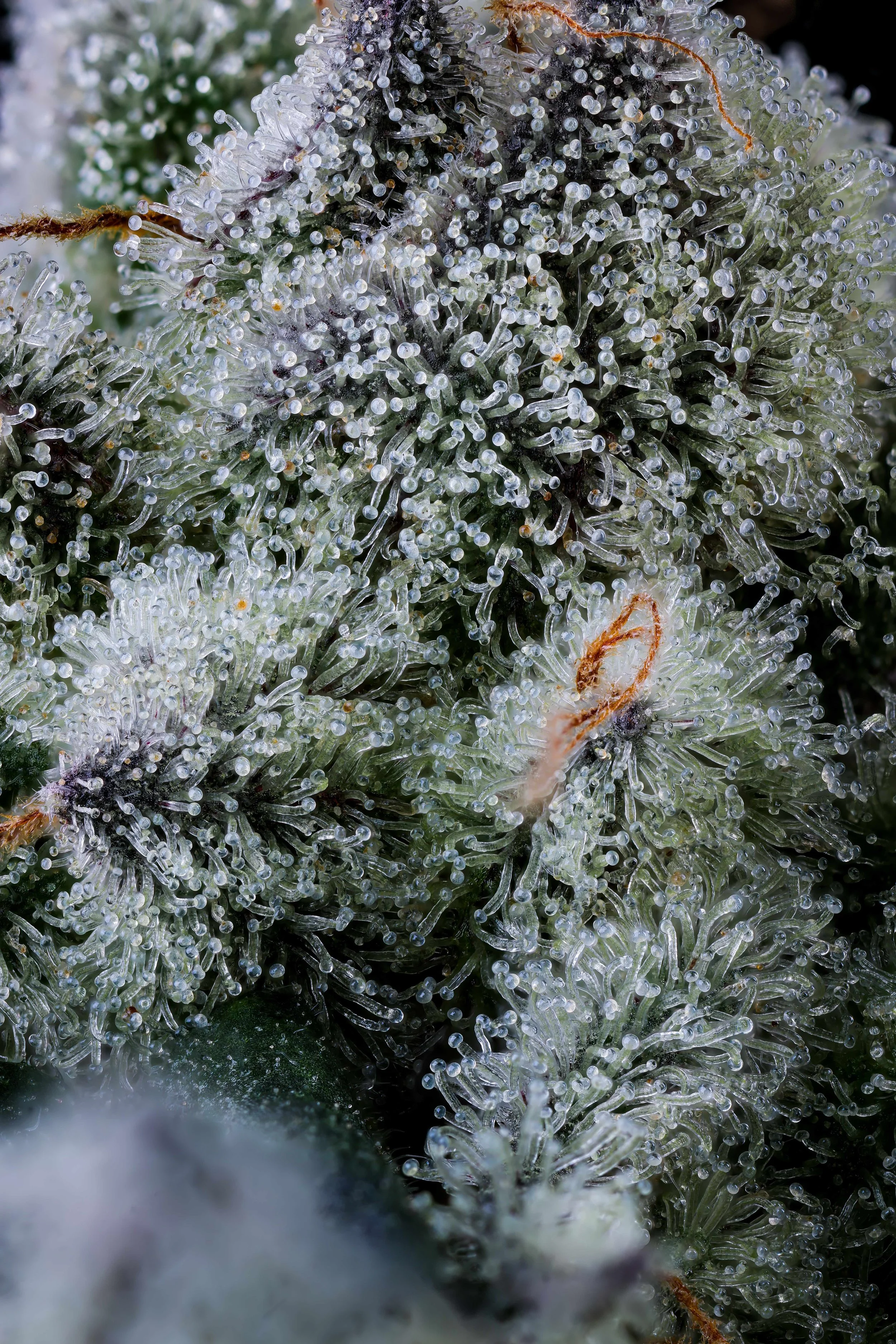
A final look at what all that patience is for: OG Kush Triploid from Humboldt Seed Company, covered in mature, resin-rich trichomes. Sometimes the hardest part of growing is simply giving the plant the time it needs. Photo by Ginja.Club.
Patience is part of growing
You've spent months getting here. Don't let impatience make the final decision for you.
A mature cannabis plant gives you information. Your job is to learn how to read it.
The closer you get to harvest, the closer you should be looking.
📘 Learn More About Growing Cannabis
If you're trying to improve your cultivation knowledge, Cannabis Training University has a free cannabis grow guide covering the fundamentals growers should understand throughout the cultivation cycle.
Download the free Grow Guide:
👉 https://cannabistraininguniversity.com/free-cannabis-books/grow-weed-guide/