Posts tagged cannabis cultivation
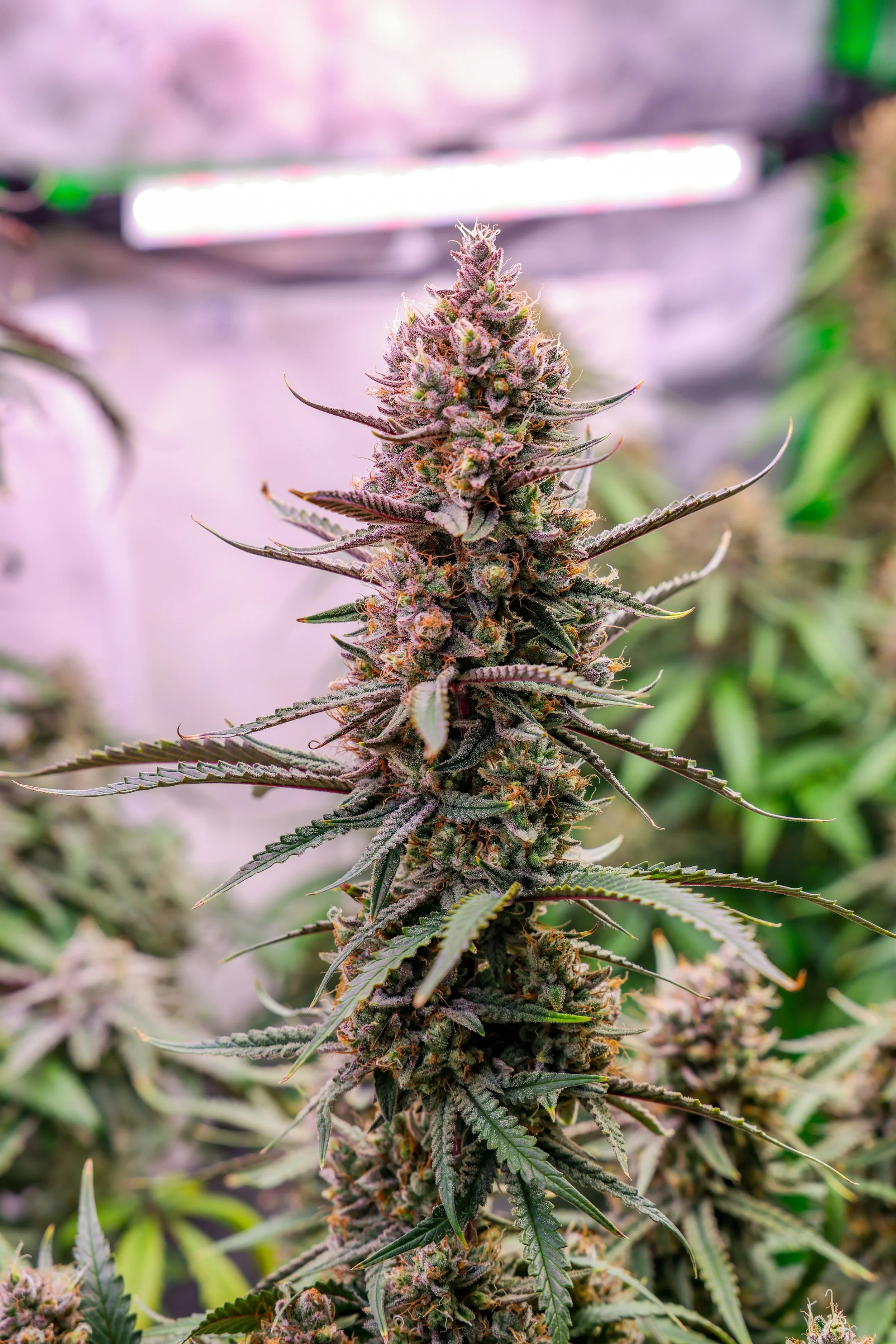
Judging Cannabis Ripeness by Trichomes: The Professional Grower’s Method for Maximum Potency By Jeff Zorn / CTU

Determining the correct time to harvest cannabis is critical to maximizing potency, flavor, and overall quality. This Cannabis Training University guest blog explains why professional growers rely on trichome maturity—not pistil color—to make precise, data-driven harvest decisions.

Read More
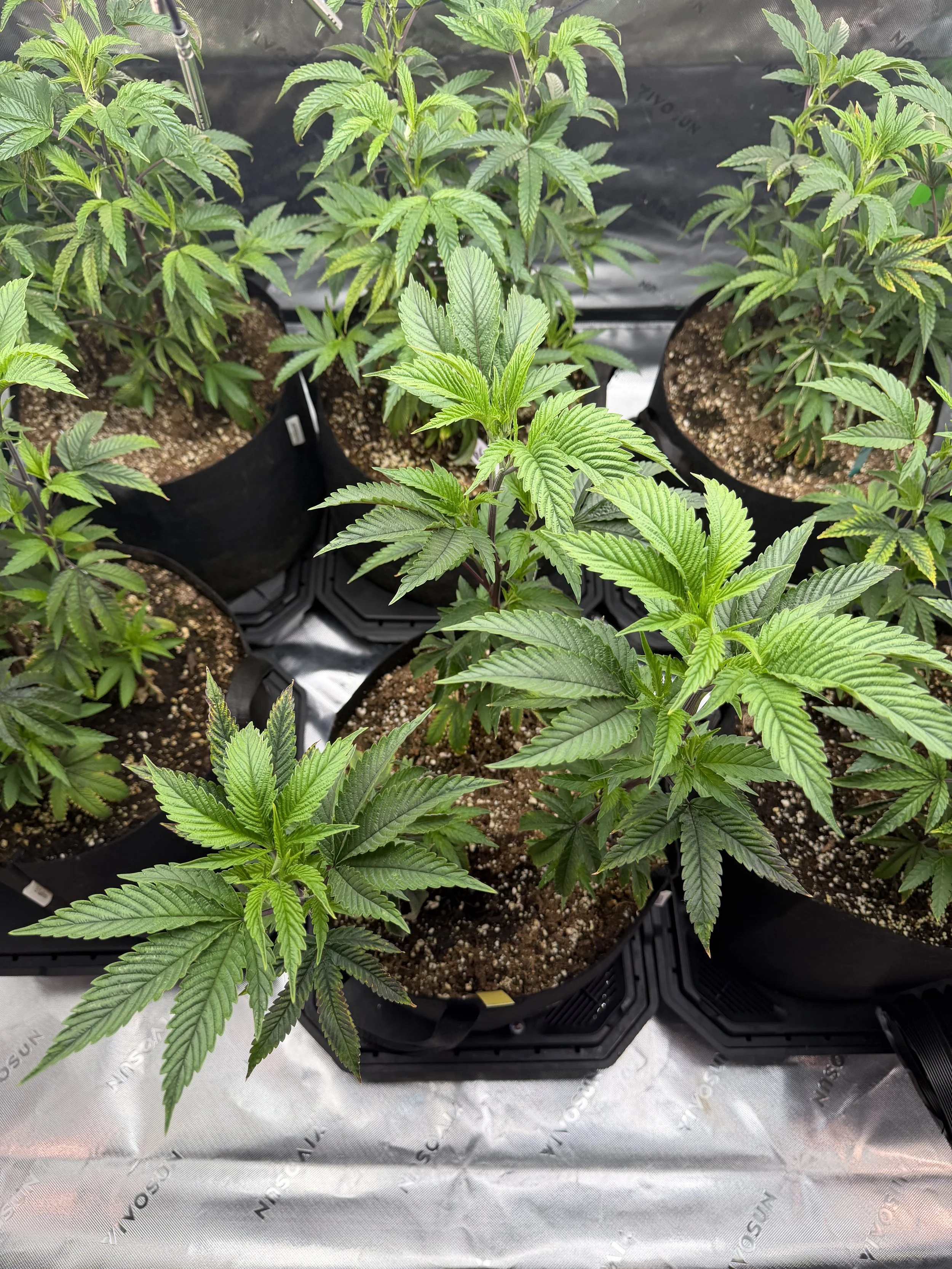
Rebuilding the Grow Tent After Harvest: How We Set Up Our Winter Indoor Cannabis Garden

We rebuilt our VIVOSUN grow tent after harvest with a fresh 50/50 living soil mix, upgraded lighting, and improved airflow for winter conditions. This reset creates a clean, stable environment that gives our Ed Rosenthal Super OG clones the healthiest possible start.

Read More
Cannabis Indoor Growing Class - Hydroponics 101 - Tools, Nutrients and Grow Tips

Today, we’re diving into the fundamentals of hydroponic cannabis cultivation, covering pH levels, nutrients, and PPM (parts per million)—essential knowledge for any grower looking to maximize yields in an indoor hydro setup.

Let’s get started with the basics of hydroponic cannabis growing!

Read More
Grow Cannabis With Healthy Roots - Oxygen can be a limiting factor in the root zone by Ed Rosenthal

Cannabis plants are dependent on their environment for materials and energy. These key inputs, known as the limiting factors, drive photosynthesis and therefore plant growth. As outlined in the Marijuana Grower’s Handbook, the limiting factors are light, carbon dioxide, nutrients, water, and temperature. Through my work to update the book, which is now the Cannabis Grower’s Handbook, I’ve highlighted another critical limiting factor, oxygen.

Read More
Do you like them BIG?

Building a Wick System: An Easy Way to Grow

This excerpt from my new book “Ask Ed: Marijuana Success” hones in on one of my favorite ways to grow cannabis at home with a wick system. 

The wick container system is an easy way to garden because it’s self-watering and removes the uncertainty of when to water. It requires far less care than hand watering, and it’s simple, fast to assemble, and inexpensive to set up. The wick system is based on capillary action. One example of this is a tissue drawing up water from a puddle. The system we set up works on the same principle. Instead of tissue, we use braided nylon rope. 

Read More