
Why Landraces Are Important: The Search for Himalayan Cannabis Genetics in India
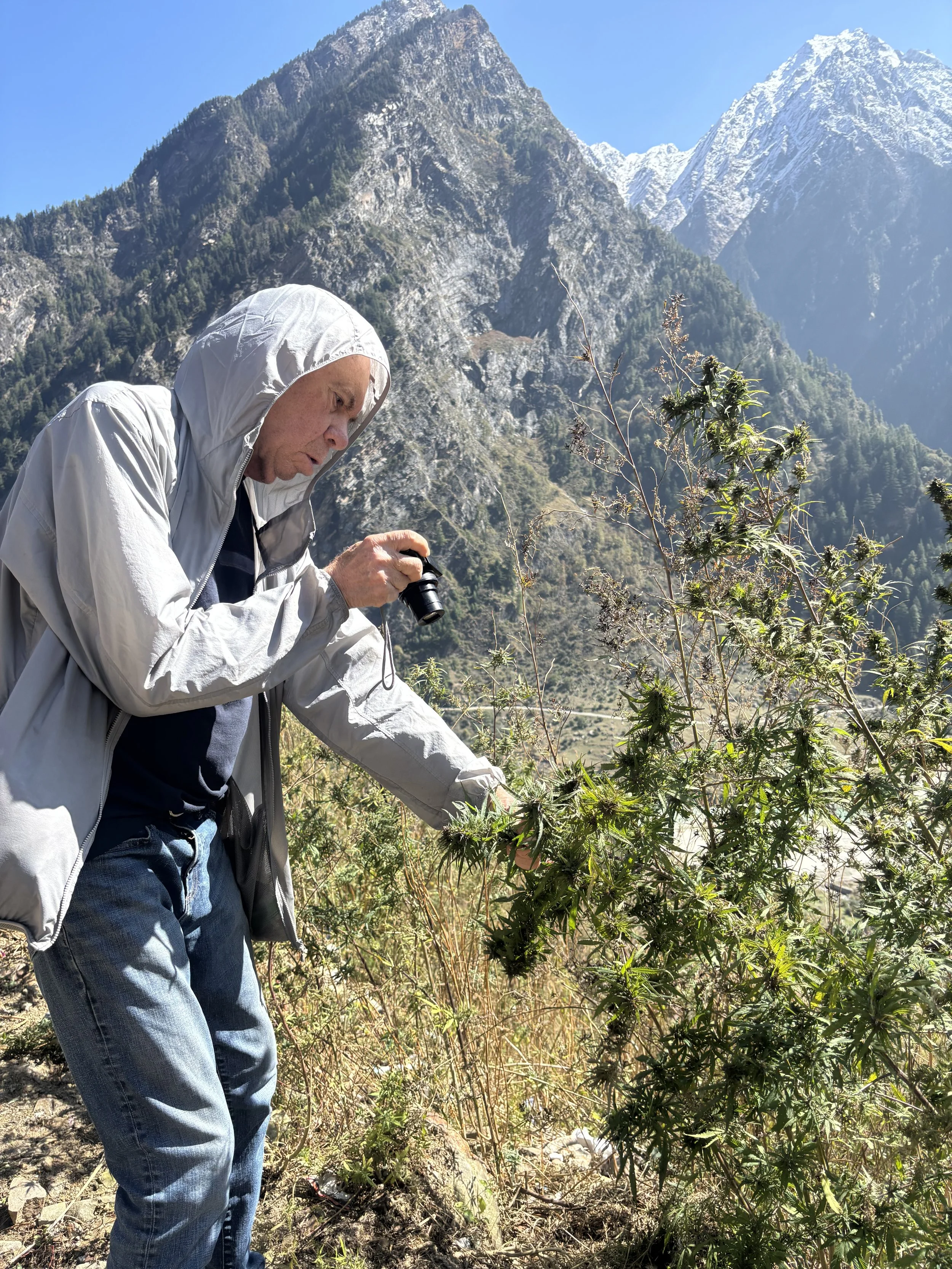
Phenohunt on top of the world. High in the Himalayas, I joined our guide Abhishek from the Cannabis Seed Breeding Project on a journey few ever get to make. photo by Jane Klein / Harshil Valley 2025
Cars and cannabis have one similarity that isn’t immediately obvious: new models appear constantly. Today’s seedbank menus are filled with varieties that didn’t exist a few years ago, while many older strains have faded into obscurity. But when you look at the Phylos Galaxy, which maps genetic relationships, almost everything on the market today is closely related—descendants of earlier hybrids crossed and re-crossed for the last 50 years.
Just read any strain description: “a cross of this x that.”
Genuine introductions have been rare. Autoflowers are one exception, owed largely to Nevil Schoenmakers’ expedition to Romania, where he collected Cannabis ruderalis. Those plants became the backbone of today’s auto-flowering genetics, maturing reliably 75–90 days after germination.
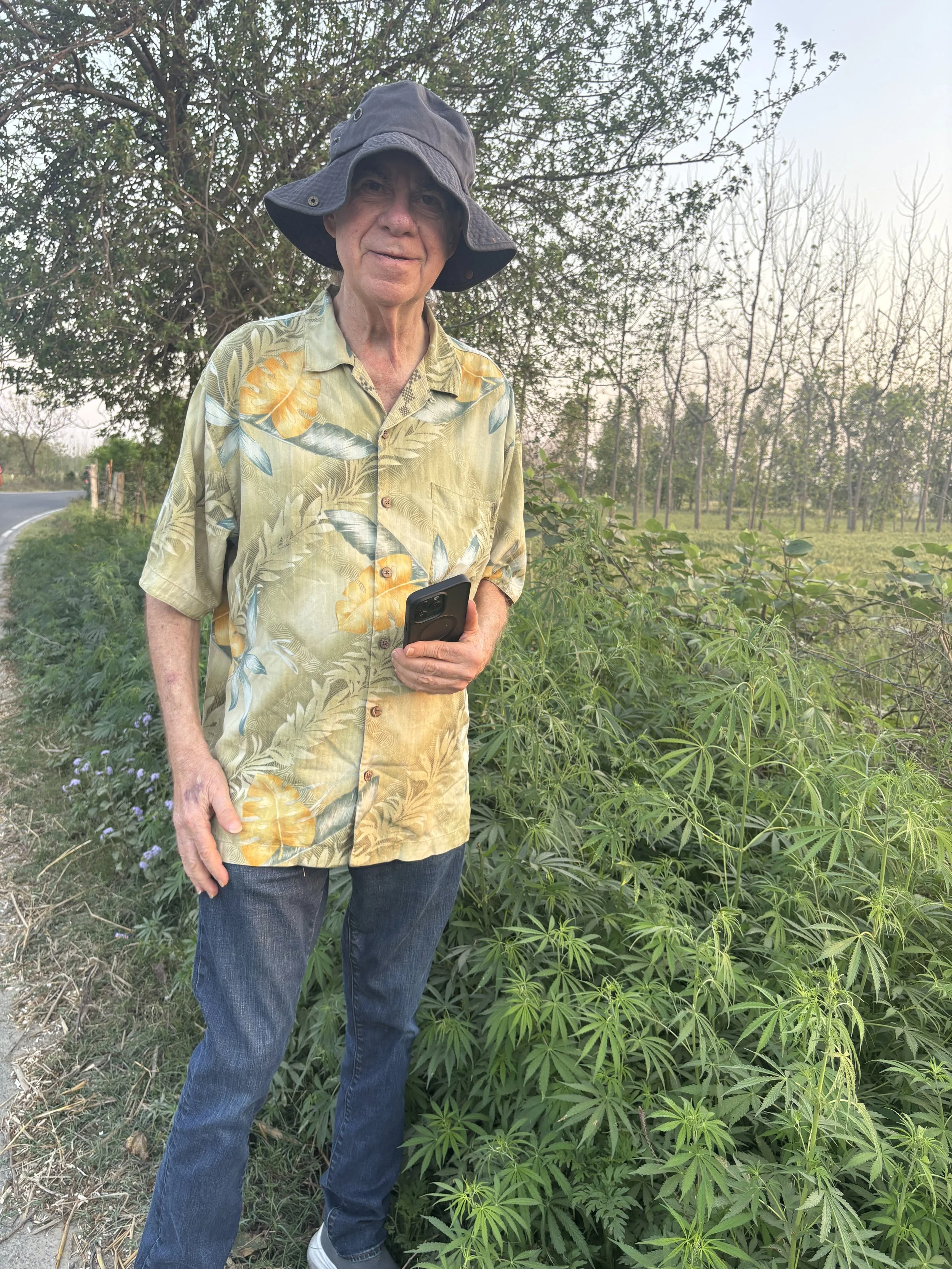
Feral Cannabis Plants by side of the road. Photo by Jane Klein/ Barelli in March 2025
Cannabis Evolution and the Importance of Origin Diversity
A core principle of evolution is that species show the greatest diversity where they originated. Modern potatoes are a classic example: today’s cultivars derive from wild potatoes native to Peru and Bolivia, but only a fraction of the available genetics were used to create commercial varieties. When new diseases emerge, researchers return to wild populations to find resistant genes.
Cannabis follows the same evolutionary logic.
It is widely theorized that cannabis originated in the Himalayan foothills, in what is now western China. Its closest living relative is hops. One theory suggests that before the species diverged, a perennial ancestor grew in a mild climate. As tectonic activity built the Himalayas and the region cooled, the plants adapted in two different ways:
Hops remained perennial, dying back aboveground each year while the roots overwintered.
Cannabis evolved into a mostly dioecious annual, dropping seed each fall—although in milder climates, cannabis can overwinter.
Because China’s side of the border is difficult to explore, the most realistic access to ancient cannabis diversity lies in India, Nepal, and Bhutan, which border the same Himalayan zone.
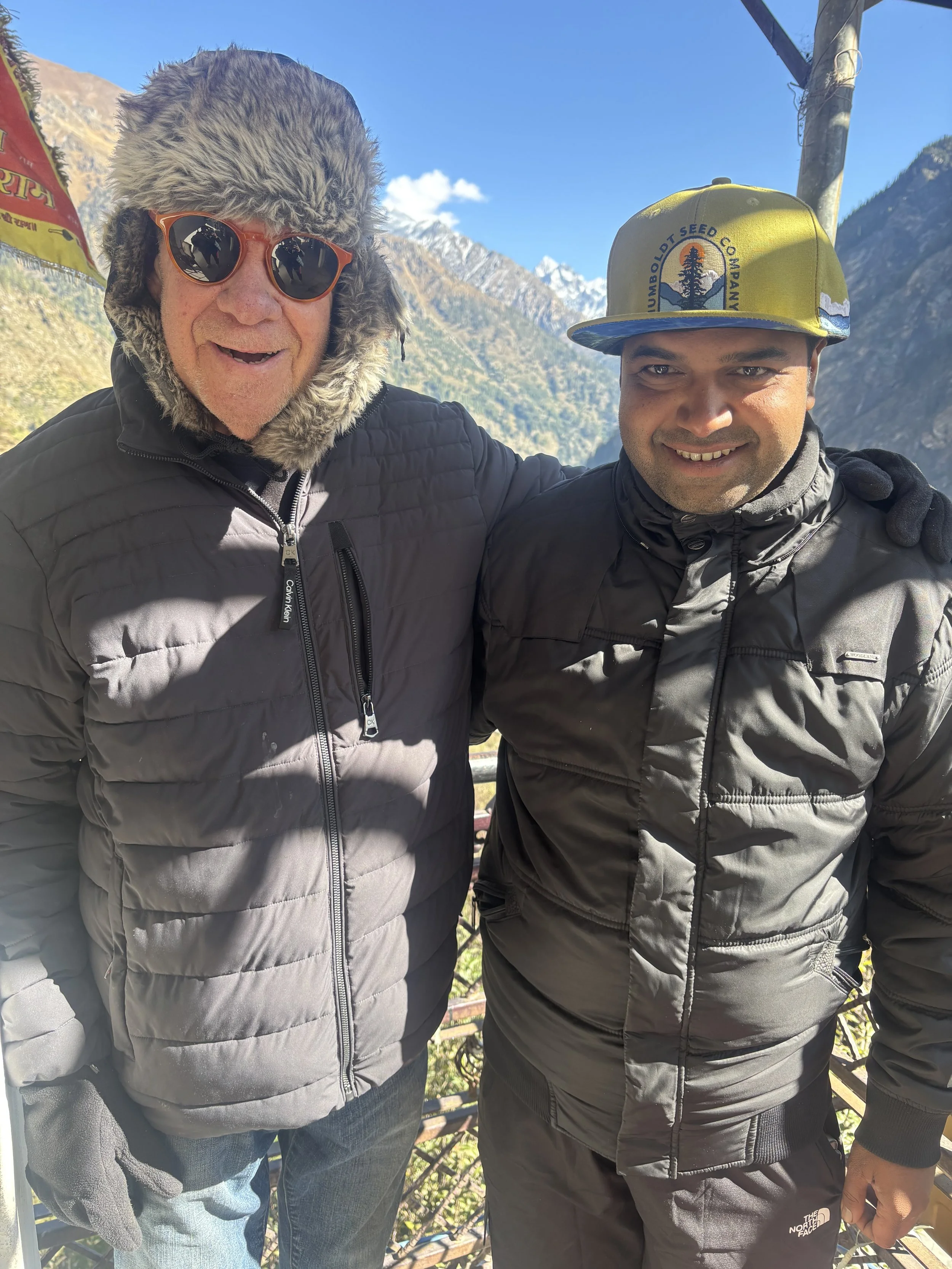
Ed with phenohunt host Abhishek of the Cannabis Seed Breeding Project. Photo by Jane Klein
The Search for Wild and Semi-Feral Landrace Cannabis in India
My wife, Jane Klein, and I are traveling through the rugged Himalayan foothills in Uttarakhand and Himachal Pradesh, two northern Indian states rich in indigenous cannabis. We joined local researcher Abhishek Bourai, who has spent years locating and documenting semi-feral cannabis populations.
At 9,000 feet (2,700 meters), some villages are reachable by car, but many sites require long hikes or mule travel. Both methods are tough for urban people like Jane and me, but the mission—to find unpolluted landrace cannabis—is worth the effort.
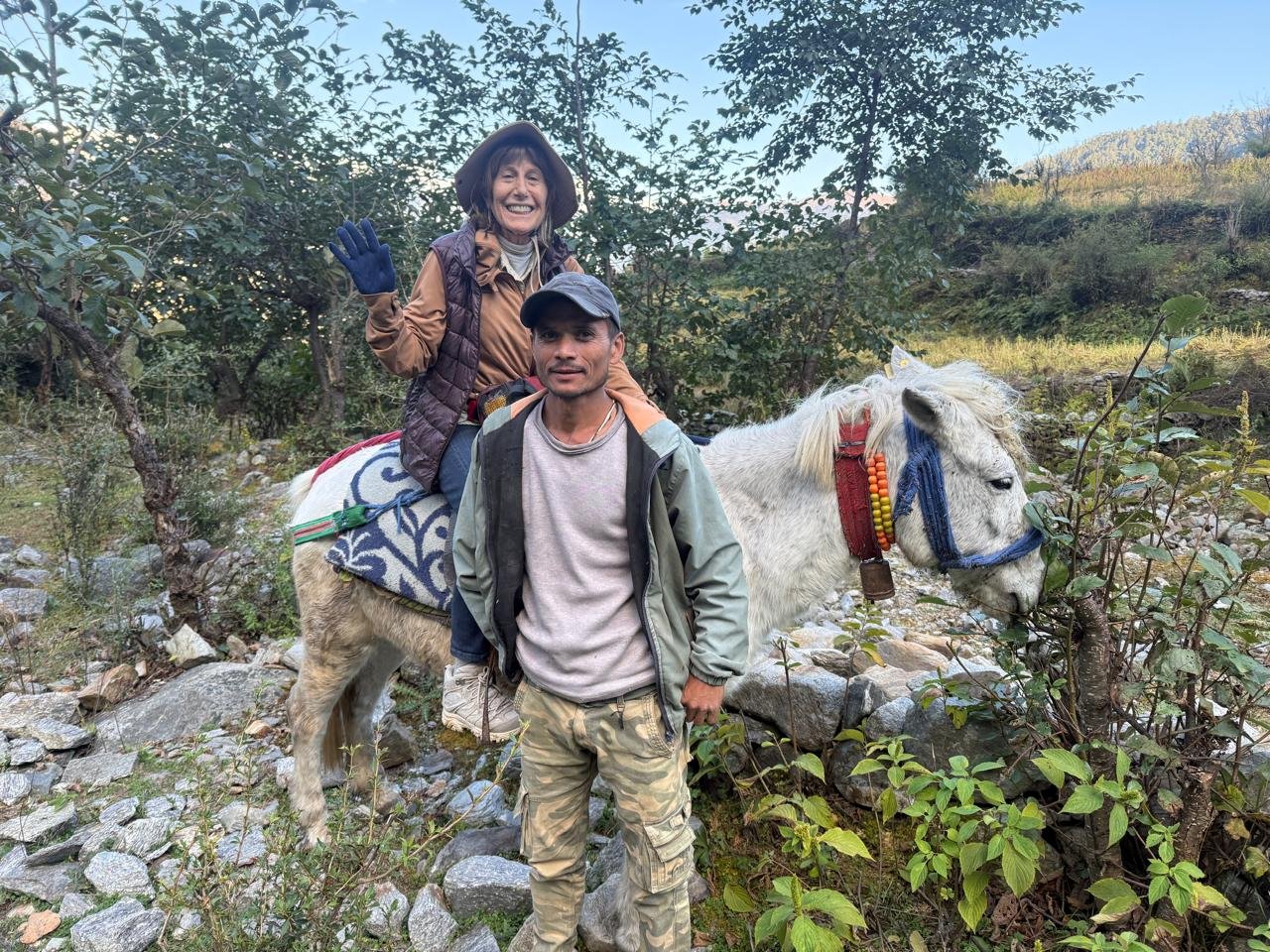
Mule ride up to the grows was steep and bumpy. Photo by Ed Rosenthal.
Cannabis is a common weed here. It grows along roadsides, footpaths, and in hidden terraced plots. Flower cultivation is illegal, so villagers—much like growers in California’s Emerald Triangle decades ago—plant in remote, hard-to-reach areas where authorities have difficulty enforcing bans.
Because this region lies relatively close to cannabis’ point of origin, each patch shows tremendous genetic variability.
In an earlier pheno-hunt near Bareilly—a more populated and less rugged area—we found semi-feral patches with:
both indica-leaning and sativa-leaning plants
bushy, low-spreading forms
tall, narrow-leafed plants
a wide mix of terpene and cannabinoid expressions
In the more remote mountain regions, we’ve seen mostly plants with looser, elongated buds, reminiscent of Dr. Grinspoon-type heirloom sativas. Their flowers stretch along the branch tips rather than forming dense cluster buds. Only a small percentage show the compact, resinous bud structure associated with modern western hybrids.
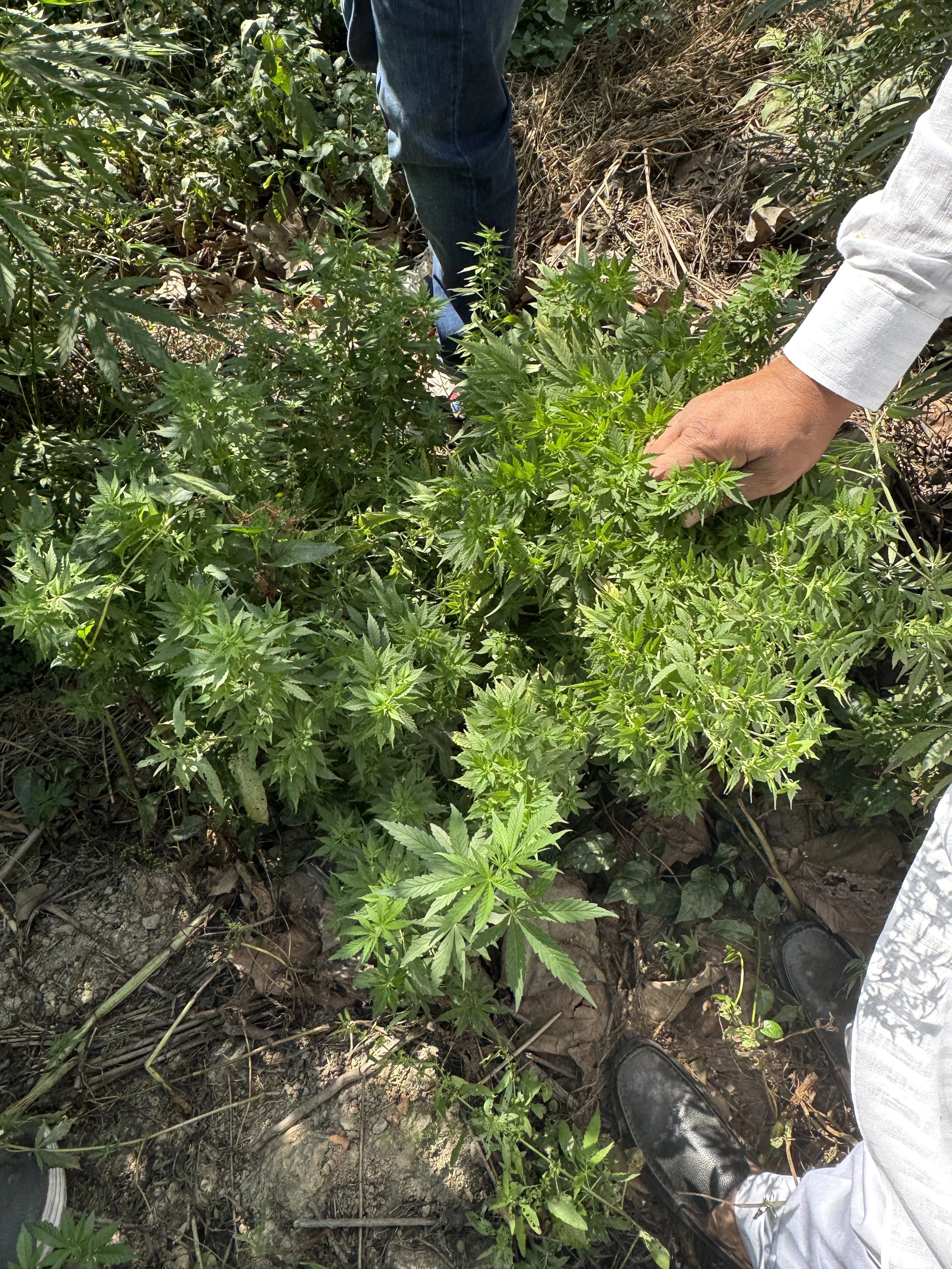
This was a small cannabis plant that grew no higher than eighteen inches but spread out over about 10 square feet. Photo by Ed Rosenthal / Barelli in March 2025
Why Landrace Cannabis Genetics Matter
This genetic purity is exactly what makes landrace cannabis so important. These plants have not been contaminated by decades of western-bred hybrids.
I witnessed a similar transformation in Morocco decades ago. Before heavy European influence, Ketama-region cannabis was:
single-stemmed
low potency
ripening in late August
As western hash buyers arrived, they brought seeds from commercial hybrids. With widespread open pollination, Morocco’s landraces hybridized. Today, most local plants are multi-branched, stronger, and ripen in mid-September.
The original Moroccan landraces now survive only in seed collections from 30–40 years ago.
This same story is unfolding across parts of India.
In Malana, in the Parvati Valley, the famed Malana Cream landraces have hybridized after outside breeders—most notably Green House Seeds—distributed western genetics about a decade ago. Farmers, motivated by higher yields and stronger resin, embraced the new seeds. Today, most Malana fields contain hybrids, not the original Himalayan landraces.
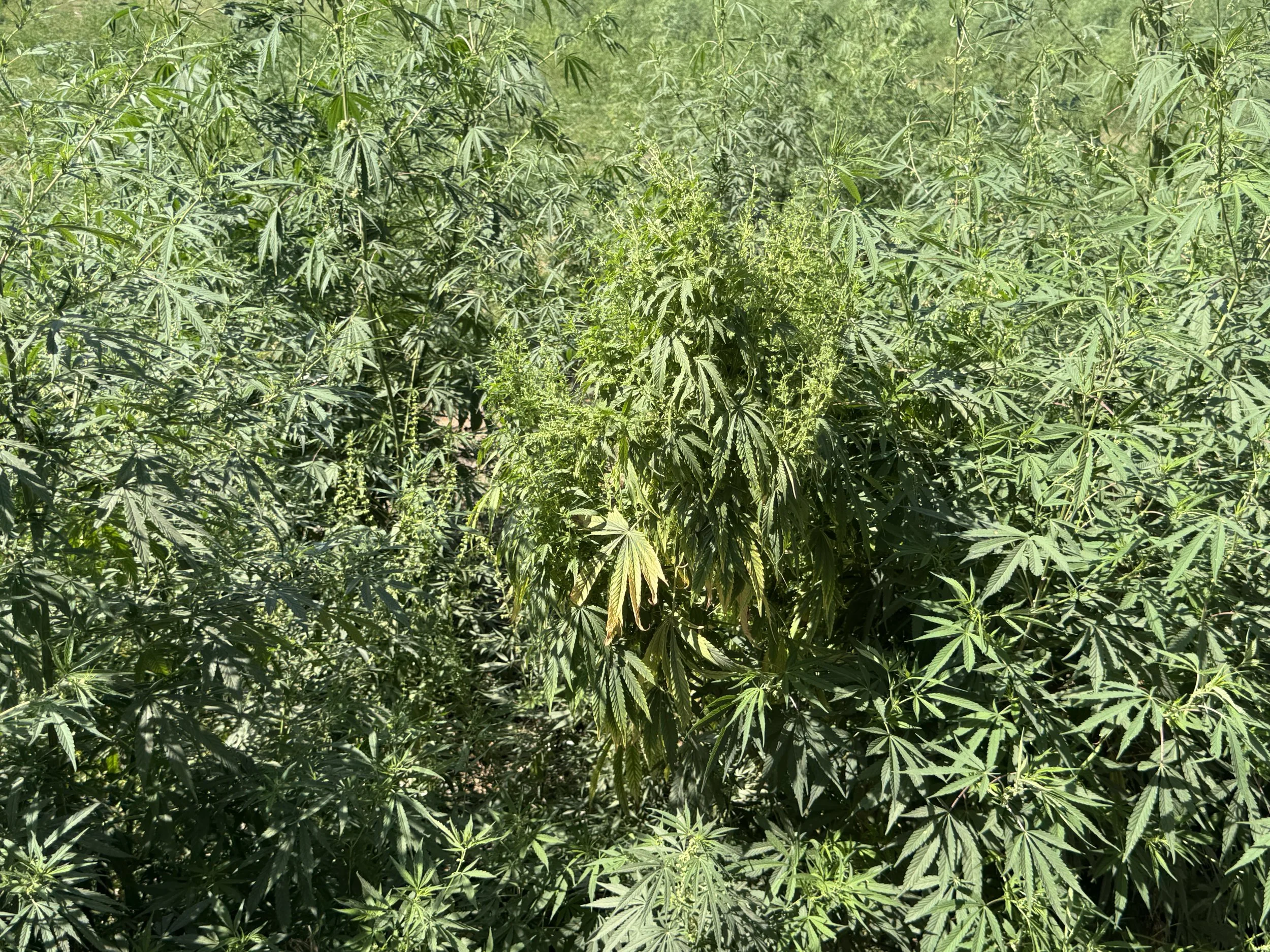
There were great differences in the morphology of the plants. Here is a large sativa towering over other plants in the patch. Photo by Ed Rosenthal / Barelli in March 2025
The Hunt: A Race Against Time
Our goal with these pheno-hunts is to locate and collect unpolluted Himalayan landrace cannabis before hybridization erases these genetics forever. These plants may hold:
rare cannabinoids
unique terpene profiles
climate-adapted traits
disease and pest resistance
We’re building a genetic library that future breeders and researchers can draw from.
It truly is a race against time. Road building is rapidly opening once-isolated regions to outside influence, and with outsiders come seeds, pollen, and the inevitable hybridization pressure.
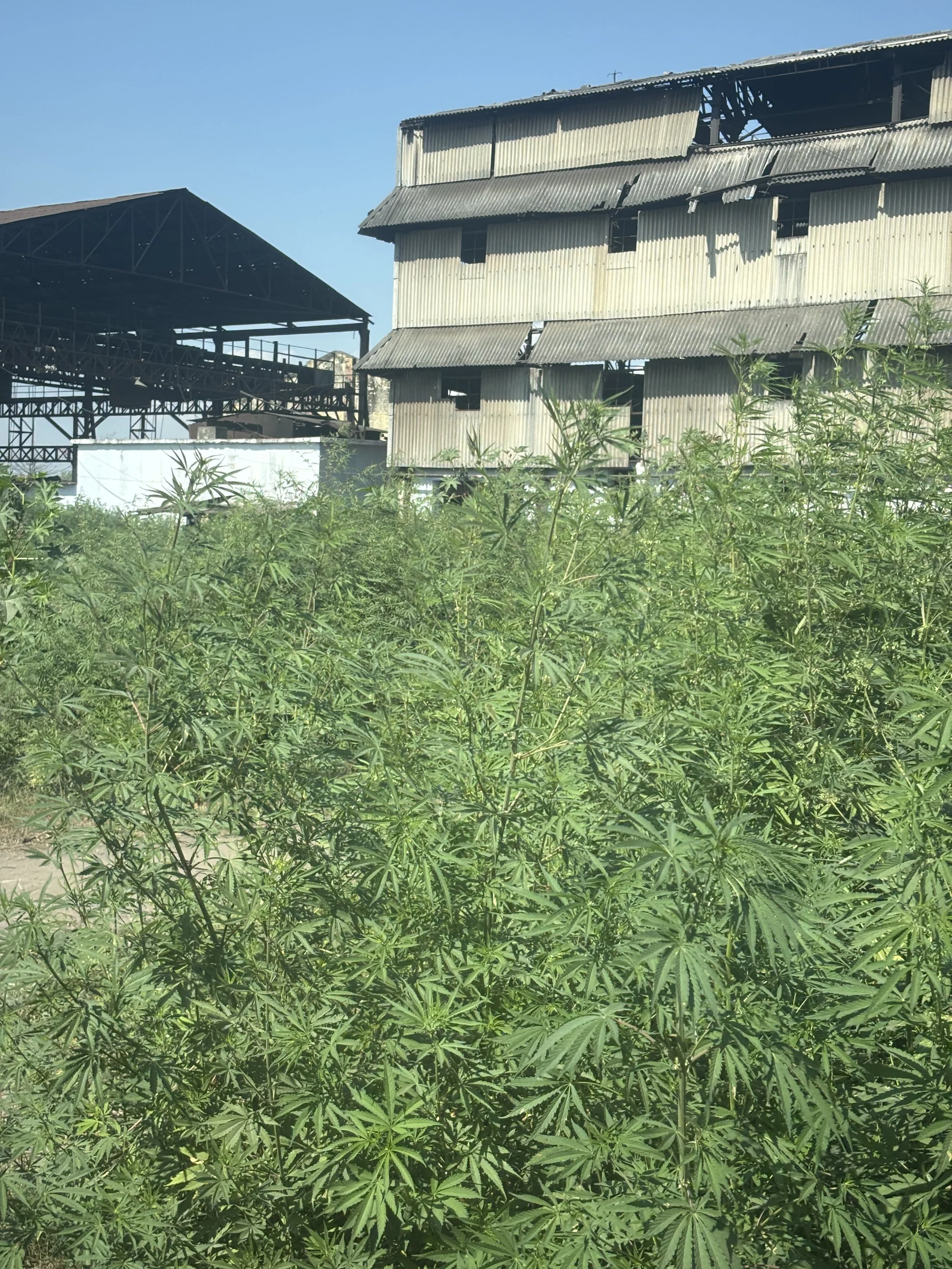
A large patch colonized a former sugarcane processing factory yard. In fewer than 5 years the entire area was completely covered with Cannabis. Other plants died off because they were starved of light, by the fast growing, tall cannabis plants. Photo by Ed Rosenthal / Barelli in March 2025
As I write this, Jane and I are in Delhi preparing to head into Himachal Pradesh, where untouched pockets of landrace cannabis still persist.
Delhi itself is a stark contrast. With an AQI of 631 (hazardous), the air hangs thick with amber-tinged pollution. The sky is grey, not blue. Himachal Pradesh offers the opposite—blue skies, fresh mountain air, and some of the last remaining strongholds of cannabis’ ancient genetic diversity.
Ed