Strain Names Don’t Tell the Whole Story by CTU / Jeff Zorn
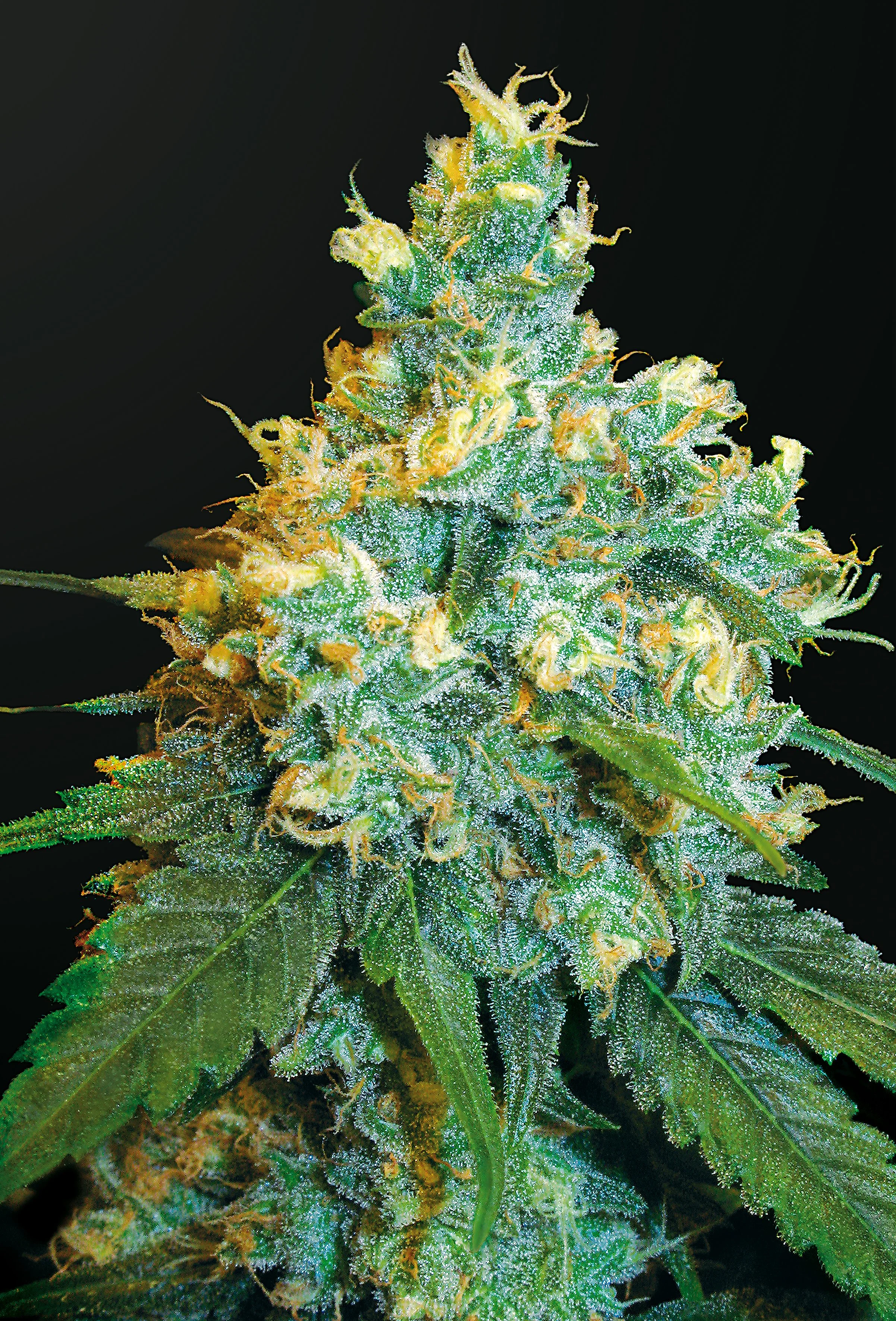
Jack Herer is one of the most recognized names in cannabis — but like any strain, the name only tells part of the story. Often associated with clarity, creativity, and an uplifting effect, Jack Herer typically leans into terpenes like terpinolene and pinene. That combination can create a bright, focused experience — when the chemistry lines up.
Why Chemistry Matters — for Consumers and Professionals
Cannabis has a long history of memorable strain names. Some become legends. Some are marketing. Others are copied so often they barely resemble the original plant.
Strain names are useful shorthand — but they are not reliable predictors of how a product will actually feel.
Two products can share the same name and produce very different experiences. Different growers. Different genetics. Different harvest timing. Different terpene expression.
The label may stay the same. The chemistry does not.
In the recent CTU article Not All Cannabis Highs Come From THC, the focus was on how cannabinoids and terpenes shape the cannabis experience. This builds on that idea in practical terms.
If names are inconsistent, what should guide decisions instead?
A Smarter — and Simpler — Way to Choose
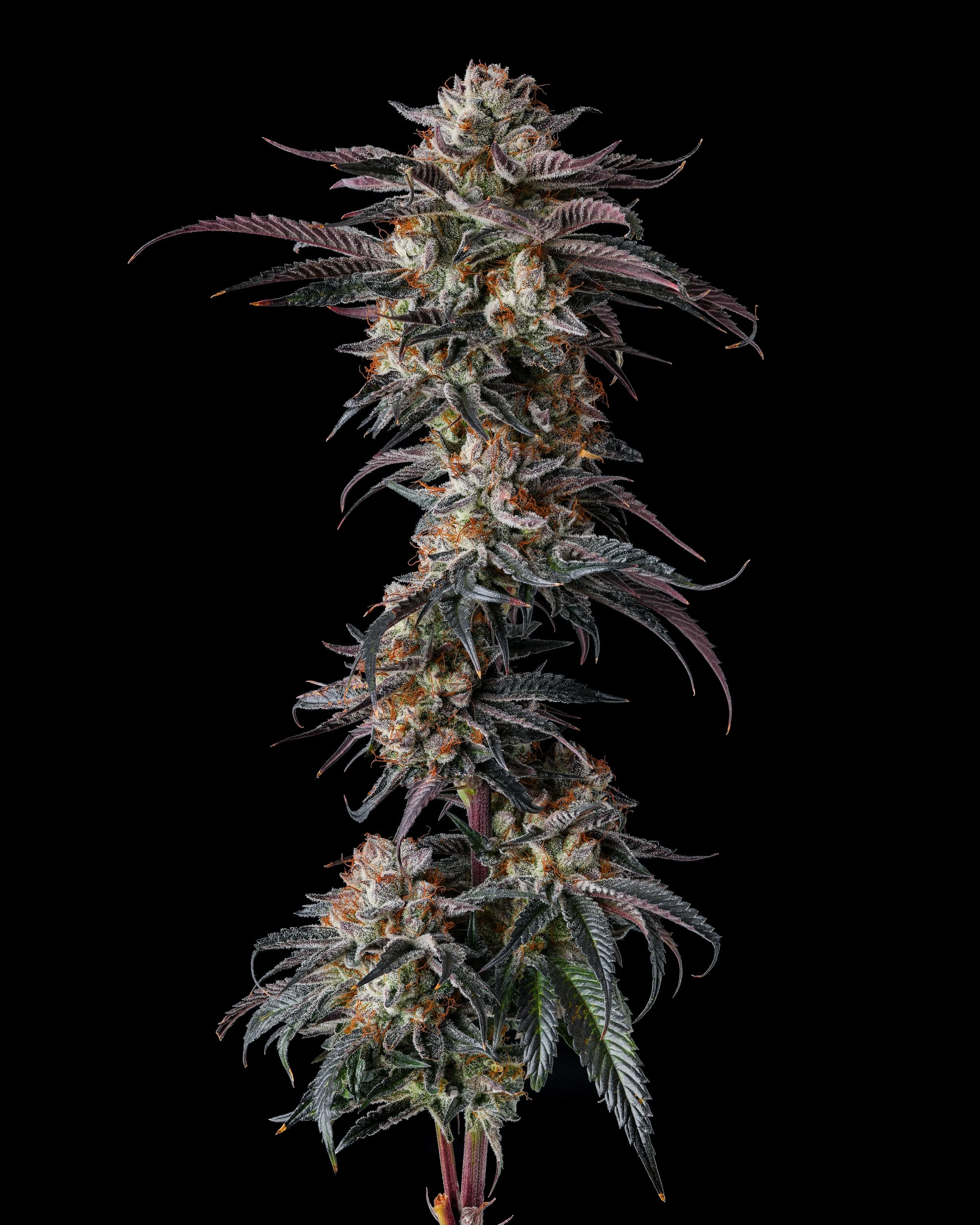
Ed Rosenthal Super OG Kush by Purple Caper. A true hybrid built from two legendary lineages — classic OG depth fused with elite Super genetics. This is old-school power refined through modern selection. Photo @Ginja.Club
Most customers still ask:
“Is it indica or sativa?”
“What’s the THC percentage?”
They’re understandable questions — but they don’t reliably predict outcomes.
A better approach involves three shifts.
1. Start With the Effect You Want
Energy. Focus. Relaxation. Sleep.
The plant can express all of these — but not because of its name.
2. Ask About the Terpenes
No chemistry degree required. Just ask: “What are the dominant terpenes in this batch?”
Common examples:
Limonene – Often associated with uplifting effects
Myrcene – Linked to deeper physical relaxation
Pinene – Connected to clarity and alertness
Linalool – Known for calming qualities
No need to memorize everything. When something works well, check its terpene profile. Over time, preferences become clear. If terpene details aren’t available, ask to see the lab report.
3. Don’t Chase THC Alone
High THC numbers look impressive. They don’t guarantee a better experience.
Balanced products with strong terpene expression often feel more complete and predictable than products chosen solely for potency.
As cannabis education improves, more consumers — and professionals — are moving from folklore to measurable chemistry.

Here’s another expression of the OG Kush lineage — this time as a Triploid from Humboldt Seed Company. Where Ed Rosenthal Super OG Kush leans into classic hybrid power — two legendary lines fused and refined — the Humboldt Triploid version represents genetic evolution. Same OG backbone. Different biological architecture.
Where This Becomes a Career Edge
For budtenders and cannabis professionals, this shift matters. Anyone can repeat a THC percentage. A professional understands why two products with identical THC levels feel different — and can translate that into clear guidance. The conversation shifts from numbers to outcomes.
That builds trust. When recommendations consistently match expectations, customers return. As markets mature, cannabis is moving from hype toward literacy. Understanding cannabinoids and terpenes is no longer optional — it’s becoming the professional baseline. Those who can read lab reports and explain terpene patterns stand out.
Continue Building Knowledge
Professional growth in cannabis now requires more than product familiarity. It requires structured understanding.
Cannabis Training University’s Free Strain Guide explains:
Why strain names can mislead
How cannabinoids influence effects
Why terpene profiles matter
How to guide customers more intelligently
For consumers, it brings clarity.
For professionals, it creates an edge.
👉 Download the Free Strain Guide here
In a maturing industry, knowledge isn’t just helpful — it’s what turns a job into a career.