Not All Cannabis Highs Come From THC By Jeff Zorn / CTU
Cannabis Training University Guest Blog By Jeff Zorn
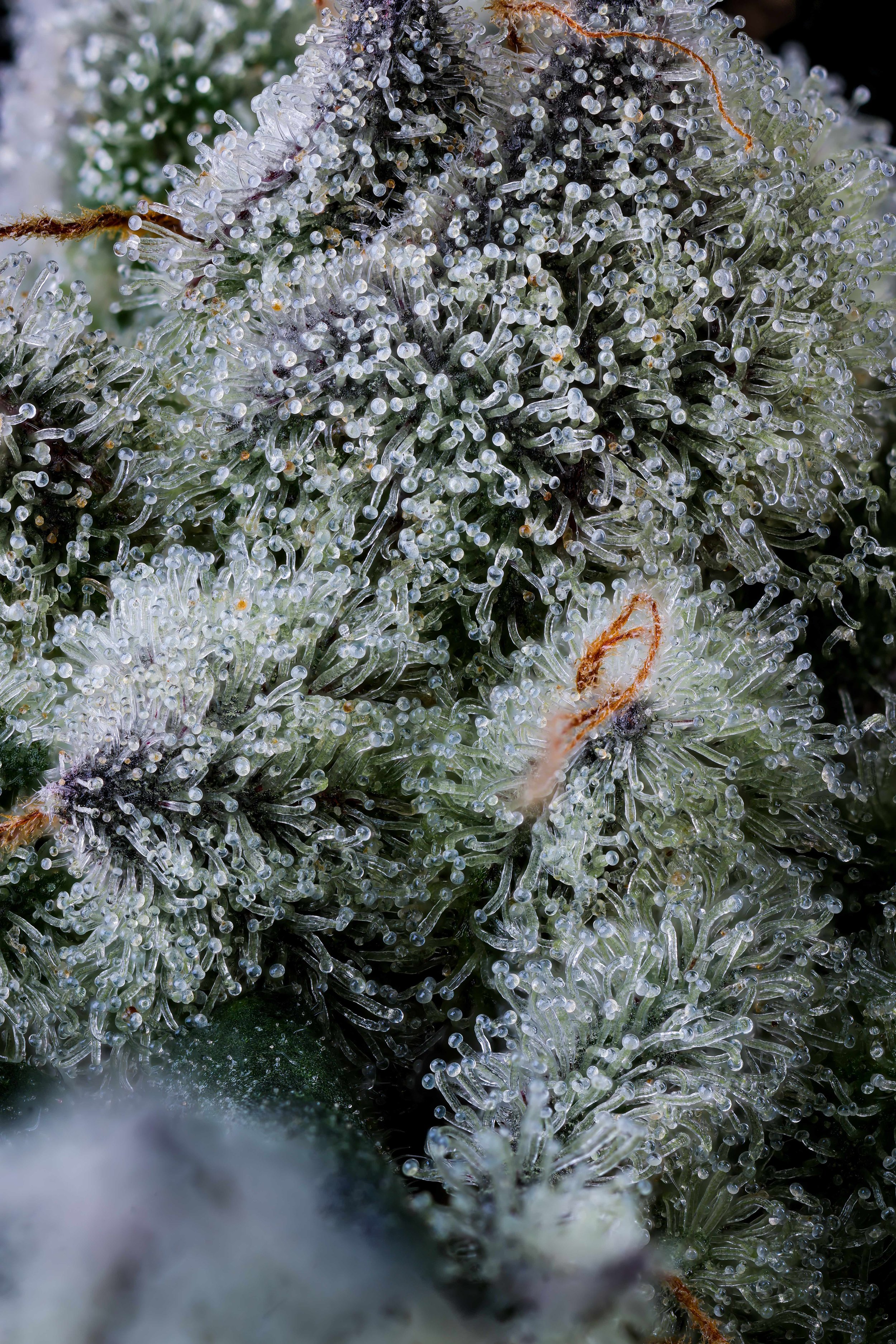
OG Kush Triploid by The Humboldt Seed Company — macro view of trichomes rich in cannabinoids and terpenes. Photo: Ginja.Club
In many dispensaries today, THC percentage is treated as the primary measure of cannabis quality. Menu boards and lab results often emphasize a single number, encouraging growers and labs to push THC higher and higher. While potency matters, this narrow focus misses a reality longtime cultivators and experienced consumers have understood for decades.
Cannabis effects are not determined by THC alone.
What truly shapes the experience is full-spectrum chemistry — the interaction of cannabinoids, terpenes, and other plant compounds working together.
“If THC is the engine, terpenes are the steering wheel.”
THC provides intensity, but it does not determine direction. Two strains with identical THC percentages can feel completely different — one uplifting and clear, the other heavy and sedating — because their chemical profiles differ.
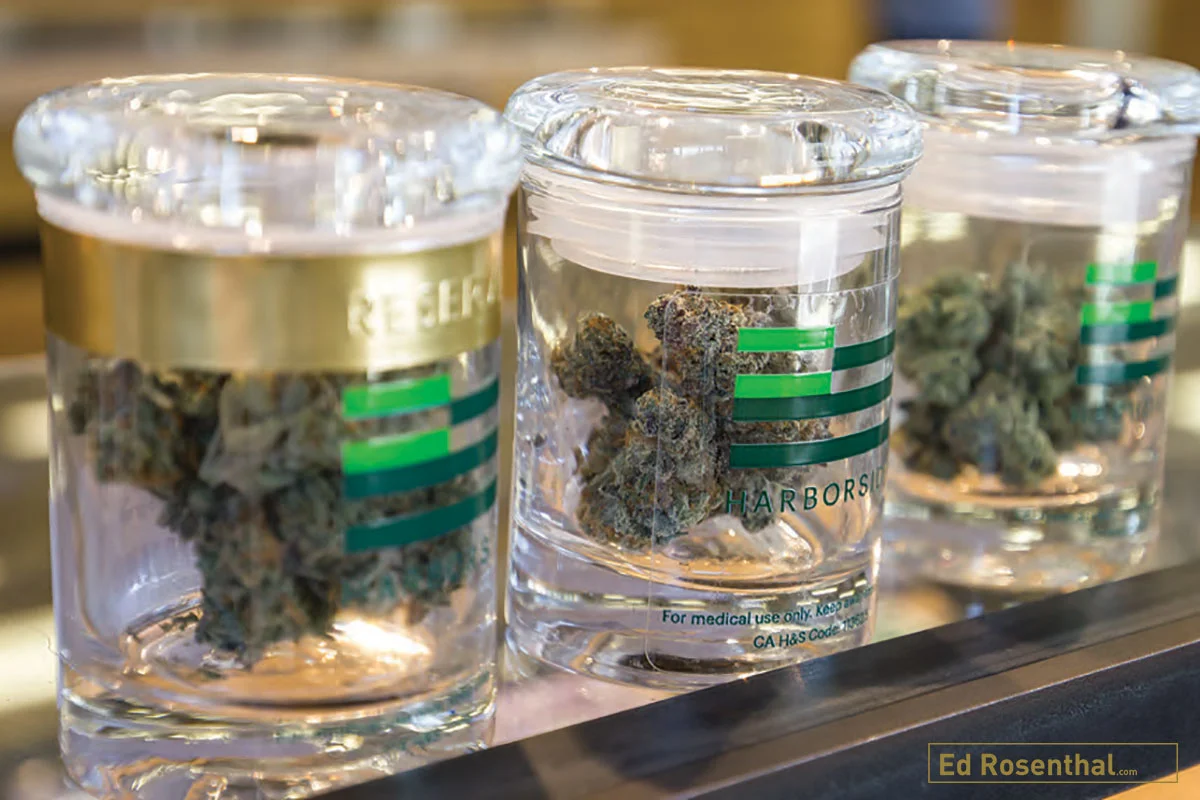
Cannabis flower samples on a dispensary shelf — similar labels and THC numbers can still represent very different chemical profiles.
Why Full-Spectrum Matters
Full-spectrum cannabis refers to products that preserve a broad range of compounds, not just THC. These include major and minor cannabinoids, aromatic terpenes, and lesser-known compounds such as flavonoids. While modern testing has improved our understanding of cannabinoids and terpenes, science is still scratching the surface, especially when it comes to flavonoids and their potential role in shaping effects.
This chemical diversity helps explain why cannabis experiences are nuanced and why THC percentage alone rarely tells the full story.
The Entourage Effect in Practice
The entourage effect describes how cannabis compounds may interact differently together than in isolation. Cannabinoid ratios like THC:CBD can influence balance and clarity, while terpenes may affect mood, relaxation, or alertness. Minor cannabinoids, even in small amounts, can subtly shift how a strain feels.
Together, these interactions explain why two products with the same THC number can deliver very different subjective effects.
Want to Learn More?
If you want to learn more about this exciting and rapidly expanding field, take a look at Cannabis Training University.
CTU offers free educational resources designed to help learners better understand cannabis chemistry, strain effects, and responsible selection. Their free Strain Guide explains:
How cannabinoids influence strain effects
Why terpene profiles matter
Why THC percentage alone is misleading
How to choose strains more intelligently
Download the free Strain Guide here:
👉 CTU free eBook link